Requiem for a Dream Dark cinema, dissected. Essays, scores and retrospectives.

Requiem for a Dream

Dark cinema, dissected. Essays, scores and retrospectives.

Latest Articles

Essays

Three Chairs, One Empty Room: Requiem for a Dream and Britain’s Male Friendship Recession

Requiem for a Dream is remembered as an addiction film, but its coldest ache is the friendship that cannot hold. This essay looks at Harry, Tyrone and Marion, and what their failure to catch each other says about Britain’s 2026 conversation on male loneliness and checking-in culture.

The Bedroom That Never Closed: Requiem for a Dream and Britain’s 2026 Holding Pattern
Essays

The Bedroom That Never Closed: Requiem for a Dream and Britain’s 2026 Holding Pattern

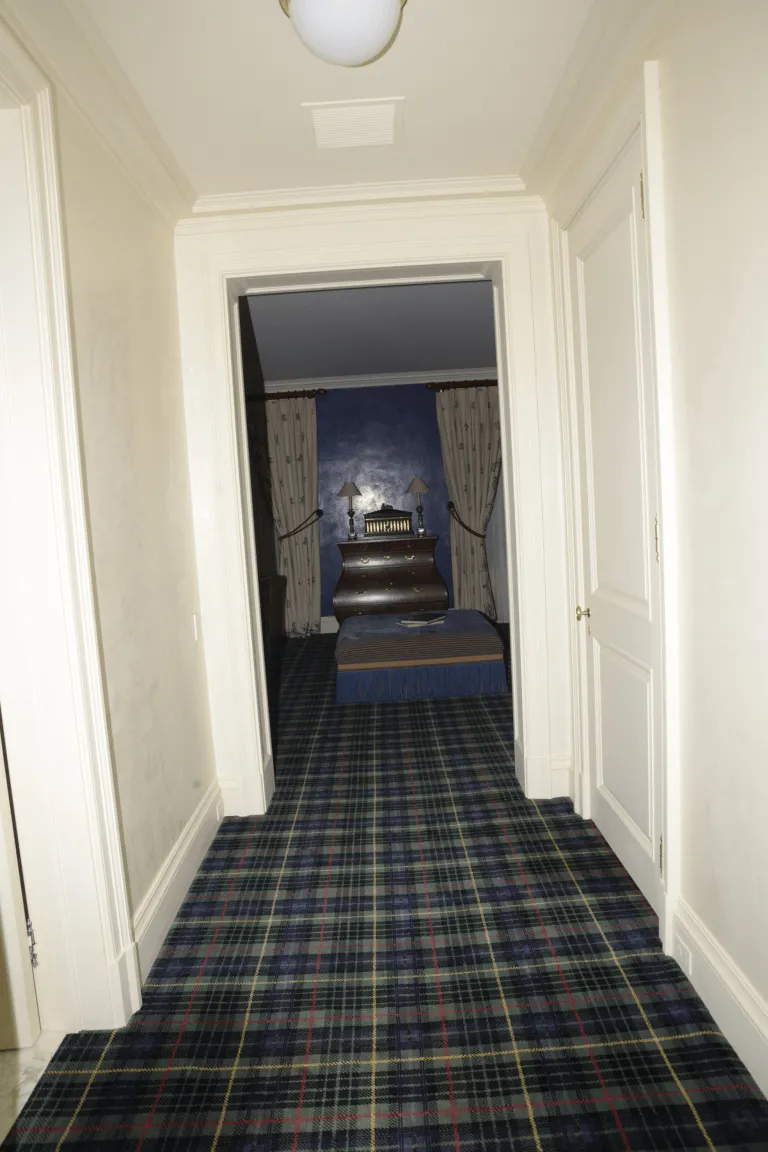
Sara Goldfarb’s flat is less a home than a waiting room for a child who never quite moves back. As Britain’s 2026 housing squeeze sends more adult children to their childhood bedrooms, Requiem for a Dream still captures the shame, love and stagecraft of the spare room.

The Clock You Can’t Argue With: Requiem for a Dream and Britain’s 2026 Treatment Queue
Essays

The Clock You Can’t Argue With: Requiem for a Dream and Britain’s 2026 Treatment Queue

Requiem for a Dream is usually filed under addiction, but it is just as much a film about waiting: for letters, for phone calls, for a system to move. As Britain’s NHS waiting lists stretch into 2026, Aronofsky’s ticking dread starts to look less like a metaphor and more like a diary entry.

Soundtrack Deep Dives

The Cue That Sells the Come-Down: Lux Aeterna and Britain's 2026 Advert Mood

Clint Mansell's Lux Aeterna has slipped from cult cinema into the everyday advert break, soundtracking car spots, game trailers and festive campaigns. In 2026, that ubiquity raises an awkward question: what happens when the score to a film about consumerism becomes part of the sales pitch?

The Film That Doesn’t Hold Your Hand: Requiem for a Dream and the Limits of Cinema Therapy
Essays

The Film That Doesn’t Hold Your Hand: Requiem for a Dream and the Limits of Cinema Therapy

UK cinemas and mental-health platforms are increasingly selling film as therapy. But Requiem for a Dream is not a wellness tool with a runtime — it is a difficult artwork that needs aftercare, not a prescription label.

The Host Who Never Hangs Up: Requiem for a Dream and the 2026 Teleshopping Trance
Essays

The Host Who Never Hangs Up: Requiem for a Dream and the 2026 Teleshopping Trance

Sara Goldfarb's television is never just a television. It is company, counsel and a sales pitch in one glowing box. In 2026, Britain's late-night shopping channels and app notifications still run on the same seductive rhythm: transformation is only one payment away.

No Fixed Address: Requiem for a Dream and the British Renter's Permanent Transit
Essays

No Fixed Address: Requiem for a Dream and the British Renter's Permanent Transit

Requiem for a Dream is usually filed under addiction. But its real engine is architecture: the airless flat, the bolted door, the window you cannot climb through. As Britain's 2026 rental market turns homes into holding pens, the film's walls start to look less like sets and more like sentences.

No Rest for the Wired: Requiem for a Dream and Britain’s Impossible Bedtime
Essays

No Rest for the Wired: Requiem for a Dream and Britain’s Impossible Bedtime

Requiem for a Dream is often read as a film about addiction, but at 3am it looks like a film about sleeplessness. This essay traces Sara’s chemical mornings and Harry’s wired nights into Britain’s 2026 sleep economy, where rest has become another thing to optimise — and nobody can quite switch off.

The Ticket in the Drawer: Requiem for a Dream and Britain’s 2026 Pawnshop Ritual
Essays

The Ticket in the Drawer: Requiem for a Dream and Britain’s 2026 Pawnshop Ritual

Harry and Tyrone’s trips to the pawnbroker are usually read as drug-money errands. Look again, and they are something closer to a national ritual: the small, humiliating trade in objects that keeps the lights on for another week. As Britain’s 2026 high street fills with cash-for-gold windows, Requiem for a Dream starts to look less like a cautionary tale and more like a ledger.

After the Last Deckchair: Requiem for a Dream and the Out-of-Season Seaside
Essays

After the Last Deckchair: Requiem for a Dream and the Out-of-Season Seaside

Blackpool’s illuminations still burn in November, but the promenade has thinned to dog-walkers and delivery bikes. This essay looks at how Requiem for a Dream’s amusement-park imagery belongs as much to the British seaside out of season as it does to Coney Island—and why that connection makes the film land harder in 2026.

The Red Dress and the Ring Light: Requiem for a Dream and Britain’s Talent-Show Bargain
Essays

The Red Dress and the Ring Light: Requiem for a Dream and Britain’s Talent-Show Bargain

Sara Goldfarb’s television fantasy looks less like a relic and more like a pilot for the reality-TV age. In 2026, Britain’s talent-show machine still sells rescue, reinvention and a daytime slot — and the applause is part of the contract.

Splintered Frames: How Requiem for a Dream Wrote the Grammar of Our Doomscroll
Essays

Splintered Frames: How Requiem for a Dream Wrote the Grammar of Our Doomscroll

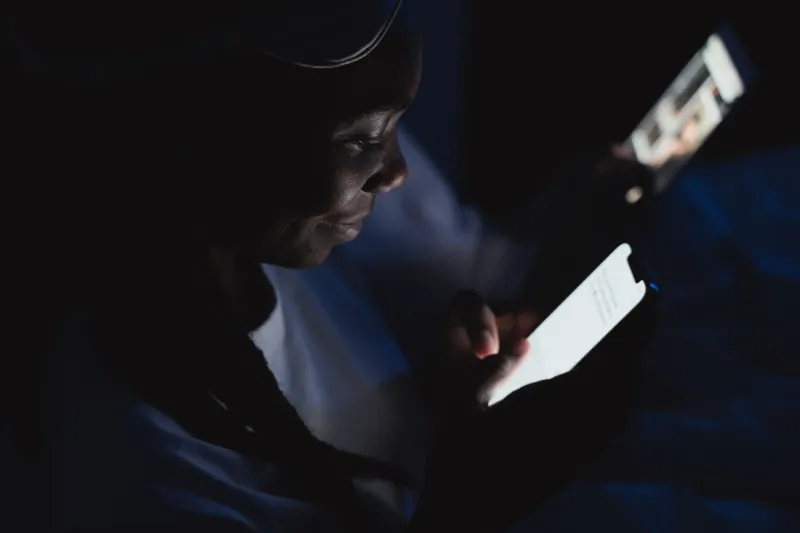
Darren Aronofsky’s hyper-edited 2000 classic is usually filed under addiction. Watch it in 2026, on a phone-lit sofa in Britain, and its split screens and jump cuts start to look like a diagnosis of everyday attention. This essay traces the film’s fractured grammar and its afterlife in UK screen culture.

The Disc That Watches Back: Requiem for a Dream and the Hostile Pleasures of the DVD Menu
Retrospectives

The Disc That Watches Back: Requiem for a Dream and the Hostile Pleasures of the DVD Menu

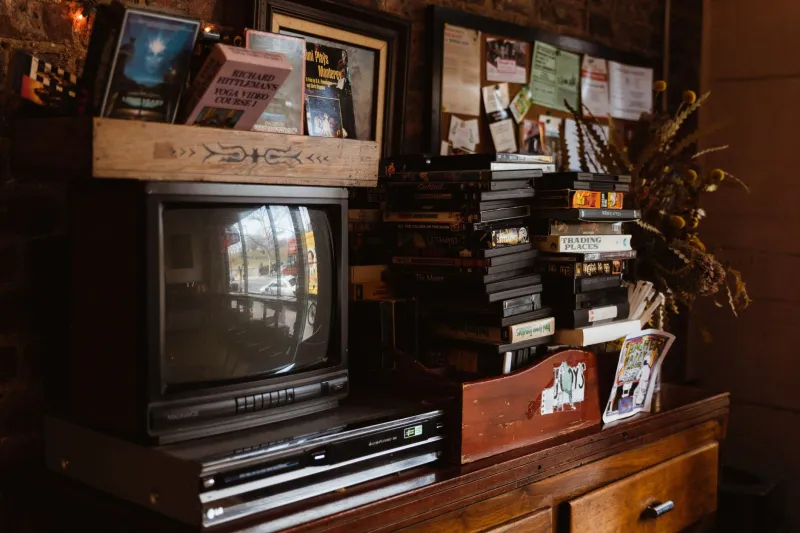
Long before streaming made everything frictionless, the UK DVD of Requiem for a Dream demanded a decision: press play, or walk away. This retrospective looks at the hostile home-release design that shaped the film’s reputation — and asks what Britain’s 2026 physical-media revival can learn from a menu that refused to be polite.

A Ringing Phone, an Empty Room: Requiem for a Dream and Britain’s 2026 Loneliness
Essays

A Ringing Phone, an Empty Room: Requiem for a Dream and Britain’s 2026 Loneliness

Requiem for a Dream is often filed under addiction, but its real subject is the failure of human connection. In 2026, as Britain’s loneliness crisis deepens and shared spaces thin out, the film’s abandoned characters feel less like cautionary tales and more like neighbours we have stopped calling.

The Seminar Room Reel: Requiem for a Dream and the Ethics of Teaching the Unbearable
Essays

The Seminar Room Reel: Requiem for a Dream and the Ethics of Teaching the Unbearable

Requiem for a Dream has become a familiar presence on UK film studies syllabi, but its classroom life raises awkward questions about care, consent and what a warning label can actually do. This essay looks at the film’s journey from A-level option to university staple, and why teaching dark cinema in 2026 means thinking as much about pastoral support as shot composition.

The Christmas That Never Comes: Requiem for a Dream and the Anti-Festive Tradition
Essays

The Christmas That Never Comes: Requiem for a Dream and the Anti-Festive Tradition

Requiem for a Dream is nobody's idea of festive viewing, which is exactly why it belongs beside Britain's bleakest Christmas alternatives. This essay looks at Sara's television dream, Harry and Marion's makeshift home, and the film's refusal to offer the comfort that December keeps promising.

The Sticker Said 18: How Britain’s Certificate Became Part of Requiem for a Dream
Retrospectives

The Sticker Said 18: How Britain’s Certificate Became Part of Requiem for a Dream

A look back at how Requiem for a Dream reached British viewers in the early 2000s, and why the BBFC’s 18 certificate, the video-shop shelf and the general air of warning became inseparable from the film itself. The rating did not just keep people out; it told everyone what kind of experience was waiting inside.

The Late Show Doesn’t Let You Leave: Requiem for a Dream and Britain’s Midnight Screening Habit
Retrospectives

The Late Show Doesn’t Let You Leave: Requiem for a Dream and Britain’s Midnight Screening Habit

Late-night repertory screenings are thriving across UK arthouse cinemas in 2026, and Requiem for a Dream has become the endurance centrepiece of choice. Why do audiences pay to be left shaken at 1am — and what does the midnight slot offer that streaming never can?

The Fridge Is the Villain: Hearing Requiem for a Dream's Nervous System
Soundtrack Deep Dives

The Fridge Is the Villain: Hearing Requiem for a Dream's Nervous System

Clint Mansell's score gets the credit, but Requiem for a Dream's dread is built from refrigerator hums, game-show laughter, subway rattles and sudden silences. This deep dive listens to the film's non-score soundscape and explains why it still works best on a proper cinema system or good headphones.

The Jab and the Jingle: Sara Goldfarb in Britain's 2026 Weight-Loss Rush
Essays

The Jab and the Jingle: Sara Goldfarb in Britain's 2026 Weight-Loss Rush

Sara Goldfarb's amphetamine diet and television dream feel uncomfortably close to Britain's 2026 weight-loss injection boom. This essay reads the private clinics, NHS waiting lists and filtered feeds as a new domestic body horror — and asks what Requiem for a Dream saw coming.

Recommended

new casinos not on gamstop