The Disc That Watches Back: Requiem for a Dream and the Hostile Pleasures of the DVD Menu
There is a particular kind of silence that settles over a living room when a DVD menu loops for too long. Not the silence of a film that has ended, but the silence of a machine waiting for you to commit. The UK DVD of Requiem for a Dream understood that silence better than most. It did not greet you. It assessed you.
A Menu With No Manners
The disc arrived in the early 2000s, when DVD menus were still a novelty and studios treated them as a place to show off. Most were cheerful: a clip reel, a swooping camera move, a jaunty bit of score. Requiem for a Dream’s menu was not cheerful. It took Clint Mansell’s strings and let them coil around the screen while fragments of the film flickered in and out — a needle, a pupil, a corridor. The options were there, somewhere, but the design made you feel as though you were interrupting something private. The play button was not an invitation. It was a dare.
That might sound like a small thing. It is not. A menu is the threshold between the world and the film, and Requiem’s threshold was built to make you hesitate. In a cinema, you submit to the darkness with a crowd. On DVD, you submit alone, in your own front room, with the remote in your hand and the biscuit tin within reach. The disc knew that. It made the front room feel like a waiting room.
The Pause Button as Accomplice
DVD gave viewers control, and Requiem for a Dream has always been a film that punishes control. The chapter stops were not just convenience; they were a map of damage. Scene selection let you jump straight to the fridge, to the arm, to the hospital corridor. You could rewind. You could freeze. You could pause on a frame and study the composition, or pause because you needed a minute. Both were acts of complicity.
That is the strange gift of the home release. In the cinema, the film happens to you. On disc, you happen to the film. You choose when to stop, and every stop is a small betrayal of its momentum. The DVD menu made that choice visible before the film even started. It put the remote in your hand and asked, quietly, whether you were sure.
Extras That Dared You to Keep Watching
The UK disc did not stop at the menu. The extras were a mixed bag, as extras often are, but they shared a certain tone: behind-the-scenes footage that showed the craft without softening the blow, interviews that treated the material seriously, a commentary track that invited you to sit through the whole thing again with the sound of the filmmakers in your ear. It was not a victory lap. It was an invitation to keep looking.
That is rare now. Most streaming extras are promotional. They exist to make you feel good about what you have just watched, to extend the brand rather than the experience. The Requiem disc understood that the film’s power comes from discomfort, and it did not try to sand that down. The extras were not there to reassure you. They were there to make you complicit in the film’s machinery.
Britain’s Second-Hand Ritual
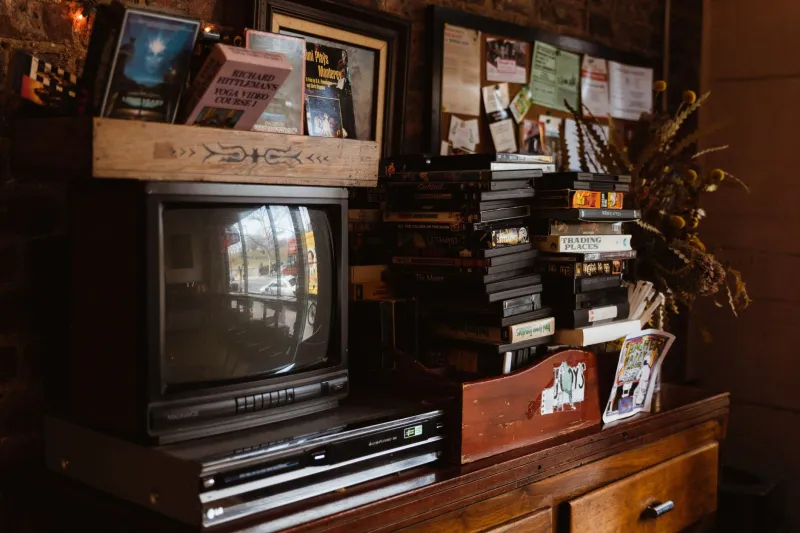
In the UK, that disc had a second life. It turned up in CeX racks and charity shops, priced at £3 or £4, often with a scratched case and a sticker that said 18. It got passed around student flats and shared houses, borrowed and never returned, watched on a portable DVD player in a bedroom with the curtains closed. The menu became part of the ritual. You put the disc in, you waited for the strings, you pressed play, and you did not look at your phone because there was nothing to look at.
There is a specifically British flavour to that memory: the whirr of a cheap DVD player, the scart lead, the telly that took a second to find the right channel. It was not glamorous. It was not meant to be. The film’s reputation grew through those scuffed discs as much as through cinema screens, and the hostile menu was part of the story people told about it. ‘Have you seen Requiem?’ ‘Yeah, but the menu gave me the creeps.’ That is not a bug. That is a legacy.
The 2026 Physical Revival
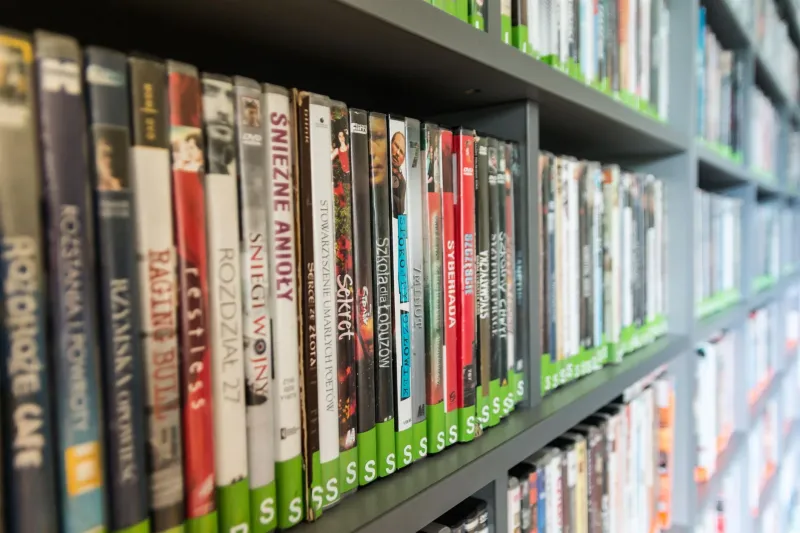
Which brings us to now. In 2026, physical media is having a moment. Boutique labels are releasing limited-edition Blu-rays with booklet essays and new restorations. HMV shelves are fuller than they have been in years. Collectors are buying discs for the same reason people buy vinyl: not because it is convenient, but because it is not. A disc is an object. It asks for a decision.
But there is a risk in that revival. The rough edges get sanded down. A hostile DVD menu becomes a design quirk, a collector’s talking point, a line in a review. The scratch on the case becomes part of the charm. The film is curated, framed, and packaged with care. That is not a bad thing — the film deserves care — but it is a different thing from the scuffed disc that sat in a student flat and made you feel uneasy before you had even pressed play.
Streaming Softens the Blow
Streaming has softened Requiem for a Dream in ways that are easy to miss. It is not just the picture quality or the convenience. It is the fact that the film is now surrounded by everything else. You can pause it and the interface offers you something else. You can abandon it and the algorithm will not judge you. You can scroll past it on a Tuesday night and choose a comedy instead. The film has become content, and content is designed to be left.
The DVD menu did not let you leave so easily. It looped. It waited. It made you sit in the space between deciding and doing. That space is where Requiem for a Dream does its best work. It is a film about compulsion, and the disc made viewing a kind of compulsion too. You had to choose to keep going. You had to choose to stop. Either way, you were involved.
What a Hostile Disc Could Do Now
A 2026 release does not need to be deliberately annoying. Unskippable trailers are not art. But there is value in friction. A menu that takes its time. A chapter selection that refuses to be tidy. A set of extras that treats the viewer as an adult rather than a customer. The best home releases do not just preserve the film; they preserve the experience of encountering it.
Requiem for a Dream is a film that watches you back. The UK DVD understood that. It put a hostile little threshold in front of the film and made you cross it. In a year when everything is available and nothing is demanded, there is something worth recovering in that. Press play, then sit still. The disc is waiting.