The Cue That Sells the Come-Down: Lux Aeterna and Britain's 2026 Advert Mood
There is a particular string figure that has followed British viewers out of the cinema and into the advert break. You hear it before you place it: a repeating motif, tight and nervous, somewhere between a pulse and a warning. It is Clint Mansell's Lux Aeterna, the most recognisable piece from Requiem for a Dream, and in 2026 it turns up in places the film itself might have viewed with suspicion. Car adverts. Game trailers. Streaming pre-roll. Christmas campaigns that want to feel serious for thirty seconds before resolving into a logo.
The oddness is not that music travels. Film scores have been borrowed, licensed and reworked for as long as there have been adverts to fill. The oddness is the direction of travel. Requiem for a Dream is a film about the sale of hope: the television that promises Sara Goldfarb a new life, the pills that promise a new body, the deals that promise a way out. Its score now helps sell the same kind of promise in miniature. That is not a scandal, exactly. It is a dissonance worth listening to.
From Coney Island to the Pre-Roll
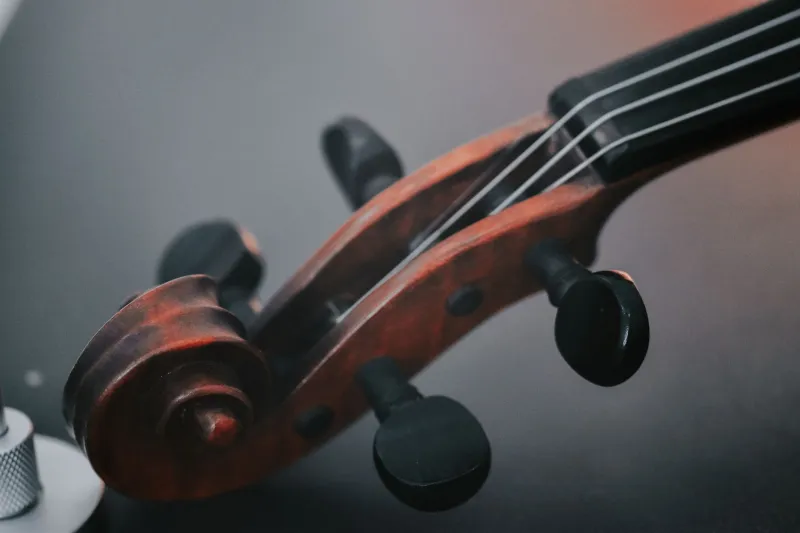
When Requiem for a Dream arrived in 2000, Mansell's score, performed by Kronos Quartet, sounded like a nervous system exposed. The main motif does not swell into easy catharsis. It repeats, tightens and refuses to settle. In the film, that repetition belongs to addiction, to the grind of craving, to characters who keep returning to the same room, the same needle, the same screen.
Since then, Lux Aeterna has become something else: a shortcut. It is the sound of seriousness arriving. Ad editors know this. The cue can make a product launch feel like a turning point and a hatchback feel like a reckoning. In the UK's 2026 advertising landscape, where brands compete for attention across streaming platforms, social video and cinema pre-roll, that kind of instant gravity is valuable. You do not need viewers to know the film. You only need them to feel the weather change.
Why Adverts Want Dread
Ad music usually works through tension and release. A problem appears, the music tightens, the product solves it, the strings resolve. Lux Aeterna offers the first half of that bargain beautifully. It is all tension, all forward motion, all unresolved need. In a thirty-second advert, the edit can slice it before the bottom falls out. The product becomes the release the cue never provides.
That is why the cue suits 2026 so well. British advertising has spent years chasing emotional authenticity, and darker strings now read as honest. A festive campaign can put frost on a window, a lone figure in a kitchen, a minor-key ostinato underneath, and the whole thing feels like it has depth. The sadness is safe because it is temporary. It lasts until the call to action. The advert does not ask you to sit with grief. It asks you to buy something before the grief gets too close.
The Consumerism Loop
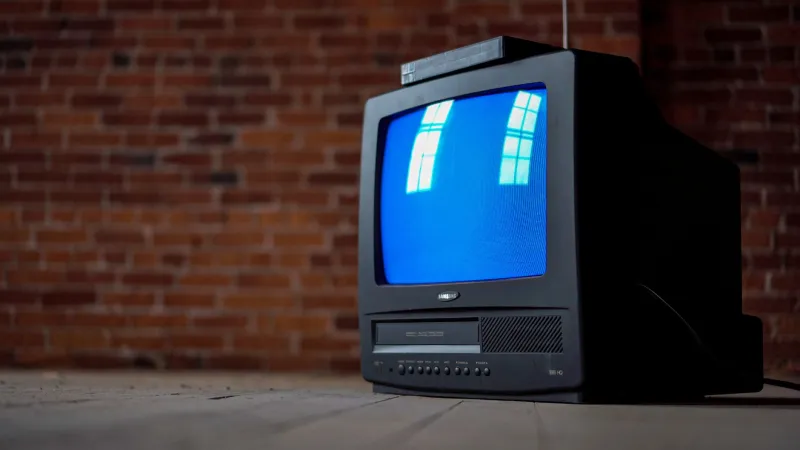
Requiem for a Dream is not subtle about its targets. It sees the television as a machine for manufacturing desire, the diet pill as a promise with a bill attached, the dream as something you pay for in instalments. Using its score to sell things is therefore a neat irony, but it is also more than that. It shows how easily critique can be absorbed. A film can warn you about the commodification of hope, and the market can take the most affecting part of that warning and use it to sell a phone contract.
None of this means the score is ruined. Mansell wrote a piece of music, not a purity test. Art outlives intention, and listeners are allowed to hear it differently. But the advert version does change the shape of the thing. It clips the loop, removes the collapse and turns the cue into a mood filter. The film's anxiety becomes atmospheric wallpaper. The viewer may not know they are hearing Requiem at all. They may just know the advert feels more important than the product deserves.
A Nation of Borrowed Moods
In 2026, the UK advert break is fragmented. There is broadcast telly, sure, but there is also the pre-roll before a streaming episode, the mid-scroll video, the cinema trailer reel, the game trailer that arrives with its own cinematic ambitions. Short-form media demands instant emotional signals. Lux Aeterna is one of the most efficient signals we have: dark, dramatic, recognisable without being familiar. It says something serious is happening. It says pay attention.
The risk is banality. Use a cue often enough and it stops meaning dread and starts meaning advert. That is not a new process. Pop songs have been worn smooth by commercials for decades. But there is a specific irony here. Requiem is a film about repetition, about the loop that promises satisfaction and delivers another lap. Hearing its central motif become a repeated advertising gesture feels like the film's argument escaping the screen and getting a job in media buying.
The Credits Don't Roll
Maybe that is the most Requiem thing of all. The film does not offer a clean come-down, and neither does the culture that has taken its music. The cue keeps circulating, emptied and refilled, selling cars and consoles and Christmas. It is not that the advert break has ruined Lux Aeterna. It is that the advert break has proved the film's point in a minor key: sadness can be packaged, anxiety can be licensed, and even a warning about consumption can become part of the consumption.
So next time the strings start before the logo, it is worth pausing. You are hearing one of the great film cues of the last few decades doing exactly what Requiem for a Dream warned us it might. The ad break has eaten itself, and the soundtrack is still playing.