Pocket-Sized Coney Island: Requiem's Addicts and Britain's 2026 Escape Economy
Rewatch Requiem for a Dream in 2026 and the most dated thing is not the technology. Sara Goldfarb's television is a box, not a black mirror; the amphetamines are prescription, not algorithmic. But the shape of her days — sitting, waiting, upping the dose, chasing a version of herself that the screen promised — is recognisable in almost every British living room. Aronofsky's 2000 film was never just a drugs film. It was a film about escape: how people use substances, screens, bodies and other people to get out of their own heads. Twenty-six years on, the UK has swapped some of the substances. The hunger is the same.
Sara's Screen, Now in Your Pocket
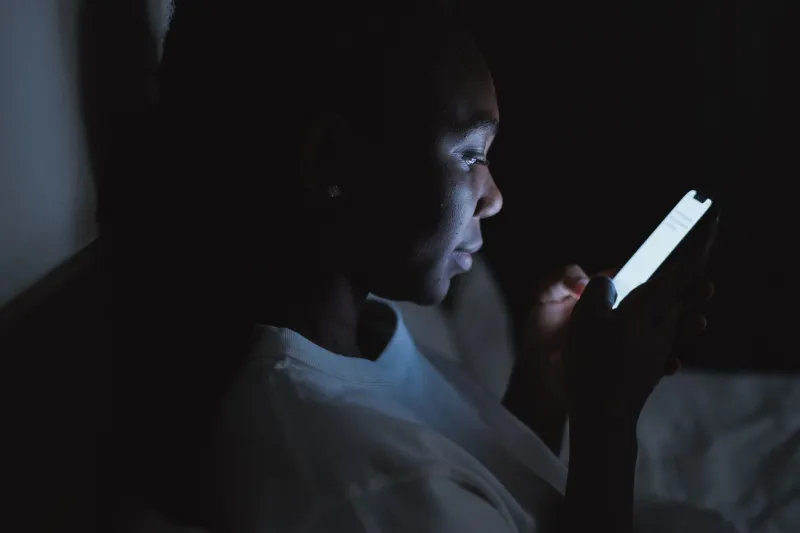
Sara (Ellen Burstyn) is the patron saint of the doomscroller. She is not scrolling, exactly; she is watching a daytime TV programme, waiting for a phone-in, hoping to be seen. But the posture is identical: the fixed gaze, the room darkening around the glow, the small hit of hope every time the screen offers a way out. Today that screen fits in a pocket. The infinite scroll, the 24-hour news alert, the group chat that never quite settles — all of it promises the same thing Sara's TV promised: that if you keep watching, something might change. In 2026, the UK's escapism epidemic is not only chemical. It is algorithmic, and it is designed to feel like company.
Harry and the Gambling App
Harry (Jared Leto) is a schemer. He wants the big score, the quick exit, the deal that will solve everything at once. In 2026, Harry is the man with six betting apps on his phone and a direct debit he cannot explain. British gambling advertising is everywhere — football shirts, podcast adverts, the brightly coloured shopfronts that still cluster on high streets in towns the economy forgot. The product has changed since Requiem's pawnshop runs, but the psychology is identical: the belief that the next bet, the next hit, the next hand will reverse the last one. Aronofsky shoots Harry's drug use as a montage of tiny transactions. That is exactly how a gambling app feels: frictionless, endless, and always one tap away.
Marion and the Filtered Self
Marion (Jennifer Connelly) wants to be an artist, but her addiction is tied to being wanted. Her relationship with Harry, her drift into sex work, her slow loss of control — all of it runs through the question of what she is worth to other people. In 2026, that ache has a new dialect: the filtered self. Cosmetic surgery ads target the same insecurity, often with the language of self-care. British clinics advertise payment plans like gym memberships. Influencers sell the idea that the face is a project. Marion's arc is not literally about Botox or fillers, but the underlying logic — that the body is a problem to be fixed, and that love will arrive once it is — is a requiem for the Instagram age. The horror is not vanity. It is the belief that you are not enough as you are.
Tyrone and the Dopamine Scroll
Tyrone (Marlon Wayans) is the film's most sympathetic dreamer: a young man with a good heart, a bad habit and a system stacked against him. In 2026, Tyrone is the doomscroller — not because he is lazy or weak, but because the feed offers the same thing the drug does: a temporary lift, a change of scenery, a way to stop feeling the ceiling pressing down. The UK's mental health waiting lists are long, the weather is grey, the rent is high. A phone full of short videos is cheaper than a night out. Aronofsky's montage of dilated pupils and racing heartbeats has its modern equivalent in the infinite refresh. The damage is subtler, but the mechanism is familiar: keep the dopamine coming, and do not look too closely at what it is replacing.
The Love Junkie
Requiem is also a love story, or four love stories gone wrong. Harry and Marion love each other, but they love the next fix more. Sara loves the idea of her son. Tyrone loves the possibility of escape. In 2026, the love junkie is a recognisable UK type: the person who cannot leave the relationship because the highs are too good, or because the alternative is silence. Dating apps make the search for connection feel like a slot machine; situationships and ghosting keep the dose irregular. The film's final montage — each character curling into a private foetal position — is a portrait of people who have run out of ways to be loved. Britain has not run out of ways to be lonely. It has just made them more convenient.
The Same Desperate Escape
The point is not that smartphones are heroin. That would be lazy, and Requiem is not a lazy film. The point is that Aronofsky understood something about human beings that the UK's current escapism economy exploits with terrifying efficiency: we will take the short route out of ourselves if the long route feels impossible. Sara's TV, Harry's dealer, Marion's mirror, Tyrone's pipe — these are all doors out of a room that feels too small. In 2026, the doors are pocket-sized and the room is still small. The requiem has not ended. It has just changed interface.